How Long Does a Keg Stay Fresh in a Kegerator?
Posted by Ron on 28th Sep 2026
Sooner or later every kegerator owner asks the same thing: how long is a keg good for once it's in the fridge? Look it up and you'll find anything from about 45-60 days to several months, depending on the beer and the brewery.
How long beer lasts in a keg comes down to four things: the brewery's freshness date, whether the beer is pasteurized, how the keg is stored and how you tap it. Below we go through each one, then cover how to keep your draft beer fresh for as long as possible.
Quick answer: Unpasteurized beer typically stays fresh for about 45-60 days, while pasteurized beer often lasts about 90-120 days or longer, depending on the brewery. That freshness window starts from the brewery's fill or packaging date, not when you tap the keg. A properly chilled keg dispensed with CO2 or nitrogen can stay within its brewery-rated freshness window, while a party-pump keg should generally be finished within 8-12 hours because air enters the keg as you pump.
How Long Does a Keg Last in a Kegerator?
How long does beer last in a kegerator? A keg of unpasteurized beer typically lasts about 45-60 days and a keg of pasteurized beer about 90-120 days or longer. There is no single number for every keg, though. The window depends on the beer, how it was packaged and the brewery's own guidance, and it counts down from the brewery's fill or packaging date, not from the day you tap it.
Brewery and beer characteristics. Different beers can have different freshness windows. The brewery's packaging date and recommended shelf life are more reliable than a generic rule based on beer style, so check the keg label or ask your supplier rather than assuming.
Pasteurized or unpasteurized. This is one of the most important factors affecting keg shelf life. Pasteurization uses heat to reduce microorganisms that can contribute to spoilage, which is why pasteurized beer generally has a longer shelf life than unpasteurized beer. If you are not sure which type you have, check the keg label or ask the brewery or supplier for its recommended freshness window.
| Beer Type | General Freshness Window |
|---|---|
| Unpasteurized beer | About 45-60 days |
| Pasteurized beer | About 90-120 days or longer, depending on the brewery |
| Brewery-specific date available | Follow the date and storage instructions on the keg |
Tapping method and draft-system cleanliness also affect how well the beer holds its freshness once it's connected to your kegerator.
How Long Does a Keg Last Once Tapped?
Tapping a keg does not give it a new shelf-life clock. The beer's freshness window still runs from the brewery's fill or packaging date. The tapping method you use decides how well that freshness is protected once the keg is connected.
A properly configured draft system using CO2 or nitrogen and kept at the right temperature minimizes oxygen exposure and helps the beer maintain its freshness. The keg should still be used within the brewery's stated freshness window. A party pump works differently: it pressurizes the keg using air pumped in by hand, and that air starts staling the beer right away.
| Dispensing Method | Freshness Once Tapped |
|---|---|
| CO2 or nitrogen (kegerator or jockey box) | Helps maintain freshness within the brewery's stated freshness window |
| Party pump (hand pump) | About 8-12 hours; oxygen enters the keg as soon as you start pumping |
For home use, a home kegerator with a properly configured CO2 dispensing setup keeps the keg cold and protected from air. Bars and restaurants usually need a commercial unit such as the UBC KegMaster Pro. For a short event where the keg will be finished within about 8-12 hours, a party pump may be enough.
Not sure which setup is right for your situation? Our guide on how to tap a keg walks through hand pumps, jockey boxes, and kegerators side by side.
How Long Does a Keg Last With a Party Pump?
A keg tapped without CO2, using a hand-operated party pump, should generally be finished the same day, typically within about 8-12 hours. A party pump pushes air into the keg with every pour, and exposure to air quickly affects the beer's flavor and freshness no matter how cold the keg is kept.
What Temperature Should I Store My Keg At?
For most draft systems, the standard kegerator temperature is 38°F (3°C). Some beers may call for slightly different conditions, so follow the brewer's recommendation when one is available.
Too warm: higher temperatures accelerate flavor deterioration and shorten the beer's freshness window. Keep the keg refrigerated at the temperature recommended by the brewery rather than leaving it at room temperature for extended periods.
Too cold: temperatures near or below beer's freezing point can cause it to freeze, which can affect flavor, carbonation, and the keg itself.
If your kegerator loses power, keep the keg as cold as possible with ice or another suitable temporary cooling method until refrigeration is restored.
How to Keep Draft Beer Fresh
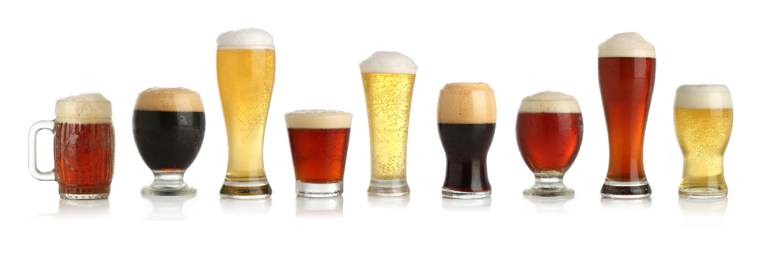
These five habits make the biggest difference to how long your keg stays fresh.
A kegerator that holds a steady temperature, whether one of our home kegerators or commercial kegerators, is the easiest way to keep a keg inside its freshness window from the first pour to the last.
Get the Right Kegerator and Dispensing Equipment
Frequently Asked Questions
How can I tell if a keg has gone bad?
Does keg beer expire?
Can I make a tapped keg last longer?
Is a nitro keg's freshness different from a CO2 keg's?
What is the difference between tap date and fill date?
Storage temperature and line cleaning recommendations in this article follow the Brewers Association's Draught Beer Quality Manual.
You May Also Be Interested In
Shop on BeverageCraft