
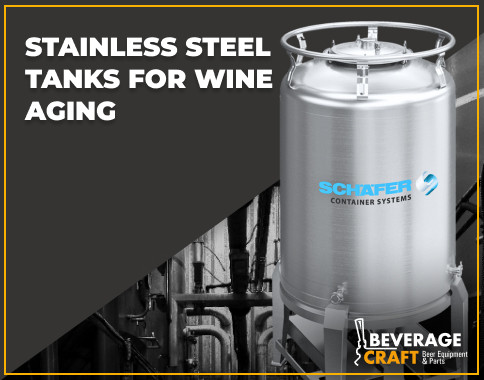
Why You Should Use Stainless Steel Tanks for Wine Aging
Posted by Ron on 11th Aug 2026
Walk through any working winery and you'll see rows of stainless steel tanks long before you reach the barrel room. That's not an accident. Stainless keeps wine clean - no oak influence, no uncontrolled oxidation, no flavors you didn't ask for. For white wines, crisp aromatics and anything where the fruit is the whole point, it's hard to argue against it.
Below, we break down how stainless compares to oak, what to look for when buying and how the aging process actually works step by step.
The Impact of Aging on Wine Flavor
Aging changes a wine's flavor, color and texture - sometimes dramatically. The vessel you choose is one of the biggest variables: stainless steel and oak barrels pull a wine in completely different directions, and neither is universally better. The right choice depends on the grape variety, the style you're going for and what you want to end up in the glass.
Here's how the two compare side by side:
| Criteria | Stainless Steel Tanks | Oak Barrels |
|---|---|---|
| Best suited for | White wines and lighter-bodied reds | Full-bodied red wines |
| Oxygen exposure | Minimized - results in a crisper, more vibrant profile | Slow micro-oxygenation - softens tannins, adds complexity |
| Flavor character | Fruit-forward: citrus, green apple, tropical fruits | Secondary notes: vanilla, caramel, spice, toasted oak; rounder mouthfeel |
| Winemaker control | High - neutral vessel, no flavor contribution | Lower - barrel imparts its own character over time |
| Long-term cost | Higher upfront, much longer lifespan (decades) | Lower upfront, replace every 3-5 years |
The Advantages of Stainless Steel Wine Tanks
Stainless steel has become the default vessel in commercial winemaking for practical reasons. These are the five that matter most:
Stainless provides an airtight environment that minimizes oxygen exposure throughout aging. The result is a wine that holds onto its natural acidity, vibrant fruit flavors, and aromatic intensity - exactly what you want in a Sauvignon Blanc or Pinot Grigio.
Unlike oak, stainless steel contributes nothing to the wine's flavor or aroma. The grape variety speaks for itself. For winemakers trying to express terroir or showcase a specific varietal, that neutrality is the whole point.
Smooth interior surfaces and rounded corners make stainless tanks straightforward to clean and keep clean. There's nowhere for bacteria or residue to hide, which matters when you're turning a tank around for a new batch.
Oak barrels need replacing every 3-5 years. A stainless tank, properly maintained, will last decades. Fitting valves and other keg parts are readily available when you do need to service them.
The neutral environment makes stainless suitable for fermentation, aging, blending trials and cold stabilization - often in the same vessel. That flexibility reduces the number of tanks you need and simplifies your cellar layout.
Choosing the Right Stainless Steel Wine Tank
Not all tanks are equivalent. When you're evaluating options, these are the factors that have the most practical impact on the wine you produce:
Size & Headspace
Match tank capacity to your typical batch volume. Too much headspace means more surface area exposed to oxygen - a problem unless you're blanketing with inert gas or using a variable-volume lid.
Temperature Control
Stainless has no insulating properties on its own. Look for cooling-jacketed tanks or plan to pair your tank with a glycol chiller. For white wines, 10–14°C (50–57°F) is the typical aging range.
Steel Grade
304 stainless is the standard and handles typical wine acidity well. For high-acid varietals or longer-term storage, 316 stainless offers better corrosion resistance and is worth the additional cost.
Interior Finish & Fittings
Look for smooth, electropolished interiors and removable fittings. Crevices and rough welds are where contamination starts. Rounded bottom corners make cleaning faster and more complete.
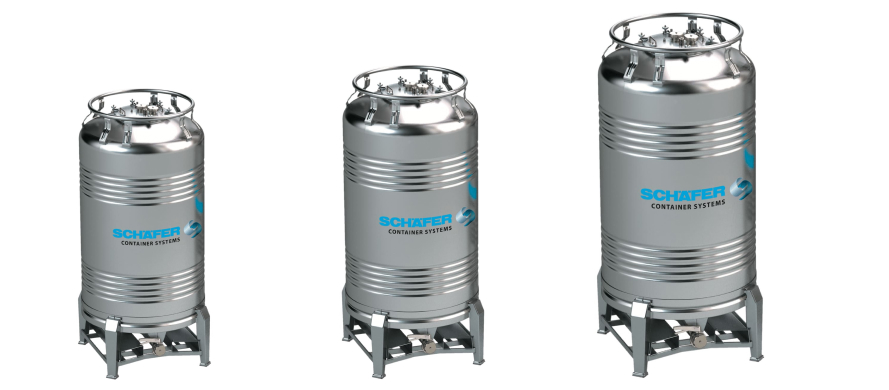
Match those criteria to your batch volume and budget and you'll narrow the field quickly. Browse the BeverageCraft stainless steel tank range for jacketed and non-jacketed options across multiple capacities.
Variable Volume Wine Tanks
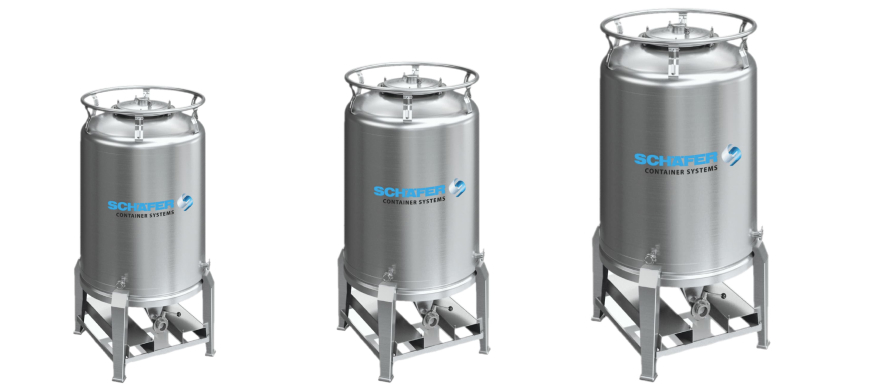
A variable-volume tank uses a floating lid that sits directly on the wine surface and adjusts as the volume changes. There's no headspace and therefore no oxygen problem - regardless of how full the tank is.
For small-batch winemakers in particular, this removes a constant headache. You're not topping up with extra wine or purging with CO2 every time you pull a sample. The lid adjusts, the wine stays protected and you can work with batches of varying size without needing a separate tank for every volume.
How to Age Wine in Stainless Steel Tanks
The process is straightforward once fermentation is complete. Follow these steps in order:
Check with a hydrometer - specific gravity should be stable at or near 0.992–0.998 for dry wines. Don't transfer too early.
Rinse with hot water, circulate a caustic cleaner, then sanitize with a no-rinse sulfite solution or food-grade sanitizer. Residue from a previous batch will contaminate the new one - don't skip this step.
Rack off the lees using a pump or gravity transfer. Minimize splashing to reduce oxygen pickup during the transfer.
For fixed-volume tanks, purge remaining headspace with nitrogen or CO2 before sealing. For variable-volume tanks, lower the lid to the wine surface.
White wines: 10-14°C (50-57°F). Light reds: 12-16°C (54-61°F). Consistent temperature matters more than hitting an exact number.
Check SO2 levels every 4-6 weeks and top up as needed. Pull samples to taste - trust your palate alongside the chemistry.
Most whites in stainless are ready to bottle within 3-8 months. Look for integration of acidity and fruit, with no off aromas. When it tastes right, it's ready.
Cold stabilize if needed to prevent tartrate crystals. Fine and filter according to your style goals, then bottle from the wine kegs or tank directly.
Frequently Asked Questions
How long does wine age in stainless steel tanks?
What grade of stainless steel is best for wine tanks?
Do stainless steel tanks need temperature control?
Can you age red wine in stainless steel tanks?
How do you prevent oxidation when the tank isn't full?
How do you clean a stainless steel wine tank?
Shop Stainless Steel Wine Tanks at BeverageCraft
Jacketed and non-jacketed. Multiple capacities. Canada & USA shipping.